
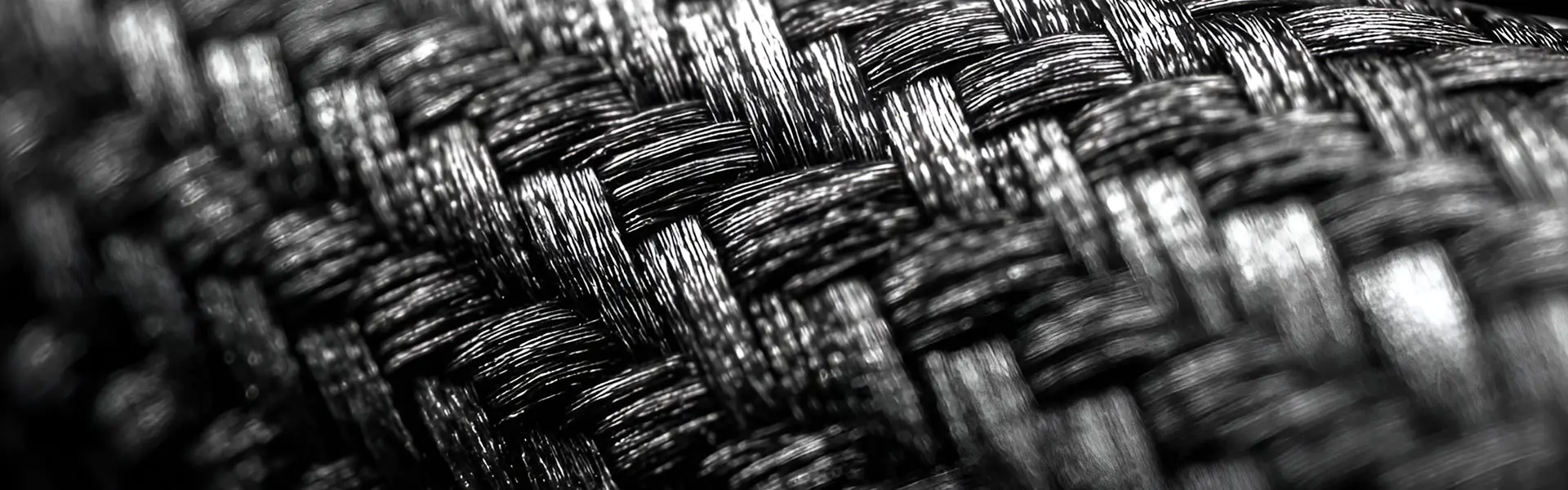
At its core, braided packing is a sealing solution designed to prevent leakage of fluids and gases in pumps, valves, agitators, and other rotary or reciprocating equipment. Constructed from multiple yarns or filaments that are interwoven on specialized braiding machinery, this method creates a dense, flexible, and durable seal. Unlike simple gaskets or molded seals, braided packing can be adjusted and compressed within a stuffing box to form a custom-fit barrier that accommodates minor shaft movements and wear. Its versatility and reliability have made it a cornerstone of mechanical sealing across countless industries for decades.
Selecting the correct braided packing requires a detailed understanding of its technical parameters. Kaxite Sealing Solutions engineers its packing to exacting standards, ensuring optimal performance in your specific application. Below are the critical specifications to consider.
| Material Type | Key Characteristics | Temp. Range (°F/°C) | pH Range | Best For | Kaxite Series Code |
|---|---|---|---|---|---|
| PTFE (White) | Chemically inert, low friction, FDA compliant, non-contaminating. | -100 to 500°F / -73 to 260°C | 0-14 | Chemical processing, food & beverage, pharmaceuticals, pure water. | KX-PTFE-W |
| Graphite Filament | Excellent thermal conductivity, self-lubricating, handles thermal cycling. | -400 to 1200°F / -240 to 650°C (in air) | 0-14 (except strong oxidizers) | High-temperature steam, hot oils, heat transfer fluids, boiler feed pumps. | KX-GF-HP |
| Aramid Fiber (e.g., Kevlar®) | High tensile strength, abrasion resistant, good thermal properties. | -100 to 500°F / -73 to 260°C | 2-12 (varies) | Abrasive slurries, mining, pulp & paper, high-pressure water. | KX-AR-AP |
| Carbon Fiber | High strength-to-weight ratio, excellent thermal & chemical resistance, low creep. | -100 to 1200°F / -73 to 650°C (inert atm.) | 0-14 (except strong oxidizers) | Aerospace, automotive, chemical processing, high-performance pumps. | KX-CF-PM |
| Fiberglass with PTFE | Good chemical resistance, economical, good for mild services. | -100 to 500°F / -73 to 260°C | 2-12 | Water, mild chemicals, general industrial service. | KX-FG-GP |
Q: How do I determine the correct size of braided packing for my equipment?
A: The correct size is determined by the stuffing box bore and the shaft (or stem) diameter. Measure the inside diameter of the stuffing box and the outside diameter of the shaft. The formula is typically: Packing Size = (Stuffing Box ID - Shaft OD) / 2. It is crucial to use a micrometer or caliper for accuracy. The packing should fit snugly but not too tightly around the shaft. Kaxite provides detailed sizing guides and offers custom die-formed rings for precise fits.
Q: What is the proper procedure for installing braided packing?
A: Proper installation is key to performance. First, clean the stuffing box and shaft thoroughly. Measure and cut each ring of packing using a sharp blade on a mandrel the size of the shaft, ensuring a clean, square butt joint—never a diagonal cut. Stagger the joints of each ring by 90 degrees around the shaft. Use a proper tamping tool to seat each ring firmly and evenly. Follow the manufacturer's (like Kaxite) torque specifications for the gland follower nuts, and always re-tighten after a short run-in period to compensate for initial compression and wear.
Q: How does braided packing compare to mechanical seals?
A: Braided packing and mechanical seals are both effective but suit different needs. Packing is generally more forgiving of equipment condition (e.g., shaft runout, vibration), is easier to install and maintain in the field, and is often more cost-effective for standard services. Mechanical seals typically offer longer-lasting, near-zero leakage but require more precise installation, are less tolerant of misalignment, and have a higher initial cost. The choice depends on the fluid, equipment, environmental regulations, and maintenance strategy.
Q: Why is my braided packing failing prematurely?
A: Premature failure can stem from several issues: Incorrect Material Selection: The packing may not be compatible with the chemical media, temperature, or pH. Improper Installation: Incorrect sizing, uneven ring seating, or over/under-tightening of the gland. Lack of Lubrication/Cooling: Some packing types require a flush or external lubrication to manage heat and friction. Equipment Issues: Excessive shaft wear, scoring, misalignment, or vibration can destroy packing quickly. A failure analysis from a specialist like Kaxite can pinpoint the exact cause.
Q: Can braided packing be used for all types of fluids?
A: No single braided packing material is universal for all fluids. While PTFE packing has extremely wide chemical resistance, it may not be suitable for molten alkali metals or certain fluorine compounds at high temperatures. Graphite packing is superb for hot services but can be oxidized in strong oxidizing acids. It is imperative to match the packing material to the specific fluid's chemical properties, concentration, and temperature. Always consult a chemical compatibility chart and, when in doubt, contact Kaxite's technical support with your exact service conditions.
Q: How many rings of braided packing should I install in a stuffing box?
A: The number of rings varies with the packing style and application but a common rule is to install enough rings so that the gland follower sits about one ring depth below the top of the stuffing box when fully compressed. This is typically 3 to 6 rings for square braid packing. Installing too few rings can lead to excessive leakage and extrusion; installing too many can cause overheating from excessive friction. Refer to the equipment manual or Kaxite's application engineering data for specific recommendations.
Q: What does the "break-in" period for new packing involve?
A: The break-in period is a controlled process to allow the new packing to adjust, seat properly, and establish an effective seal with minimal heat generation. After initial installation and a light gland tightening, run the equipment for 15-30 minutes. A slight, controlled leakage is normal and helps cool the packing. Then, stop the equipment, allow it to cool, and slowly tighten the gland nuts in small increments (e.g., 1/6 of a turn) until the leakage reduces to an acceptable drip rate. This process may be repeated over several start-up cycles. Rushing this process by overtightening immediately can cause rapid, irreversible damage to the packing and shaft.


