
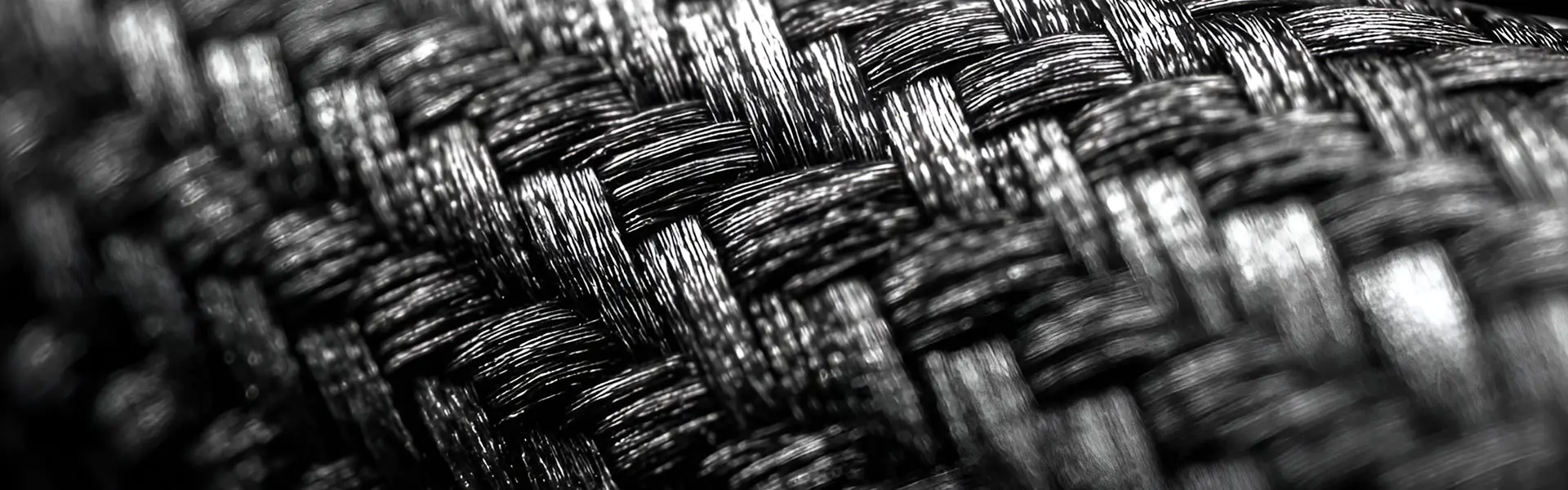
In the demanding world of high-performance materials, one name consistently rises to the top for its unparalleled combination of properties: PTFE Fiber. Polytetrafluoroethylene fiber represents the pinnacle of engineered synthetic materials, offering a unique set of characteristics that make it indispensable across countless industrial, medical, and technological applications. At Kaxite, we have dedicated decades to mastering the science and production of premium-grade PTFE fibers, pushing the boundaries of what this remarkable material can achieve. Unlike standard textiles or even other high-performance fibers, PTFE fiber operates in extremes—extreme temperatures, extreme chemical environments, and under extreme mechanical stress—while maintaining its integrity and functionality. Its inherent inertness and stability are not merely additives or surface treatments; they are fundamental properties woven into every molecular strand.
The journey of PTFE from a bulk polymer to a refined, high-strength filament is a testament to advanced material science. Through specialized processes, the PTFE polymer is transformed into a fibrous form, unlocking new dimensions of utility. This fiber can be woven, knitted, braided, or felted, creating fabrics and components that are as versatile as they are durable. From sealing the most aggressive chemicals in industrial gaskets to enabling life-saving implantable medical devices, PTFE fiber is the silent, reliable force behind modern innovation. Its low friction coefficient surpasses even that of polished ice, making it the material of choice for bearings and moving parts where lubrication is impossible. Its dielectric strength ensures safety and reliability in critical electrical applications. This introduction merely scratches the surface of its capabilities, which we will explore in detail through its specifications, applications, and the expert solutions provided by Kaxite.
The exceptional performance of PTFE fiber stems from its distinct molecular structure and the resulting physical and chemical properties.
Kaxite produces a range of PTFE fiber types tailored for specific applications. Below are the standard specifications for our flagship multifilament yarn.
| Property | Standard Grade | High-Tenacity Grade | Test Method |
|---|---|---|---|
| Fiber Denier (dtex) | 200, 400, 800, 1200 | 400, 800, 1200 | ASTM D1907 |
| Tenacity (cN/dtex) | 1.2 - 1.8 | 2.0 - 2.5 | ASTM D2256 |
| Elongation at Break (%) | 15 - 25 | 10 - 18 | ASTM D2256 |
| Melting Point | 327°C (621°F) | ASTM D3418 | |
| Continuous Service Temperature | -268°C to +260°C (-450°F to +500°F) | - | |
| Coefficient of Friction (Dynamic) | 0.04 - 0.1 | ASTM D1894 | |
| Moisture Regain (%) | 0 | ASTM D2495 | |
| Color (Standard) | White (Custom colors available) | - | |
| Packaging | Spools (1kg, 5kg), Cones, Custom put-ups | - | |
To meet diverse industrial needs, Kaxite offers specialized PTFE fiber formulations.
| Grade Name | Key Characteristics | Primary Applications |
|---|---|---|
| Kaxite PTFE-Med | Ultra-pure, certified biocompatibility, consistent filament diameter. | Surgical sutures, cardiovascular grafts, implantable device components. |
| Kaxite PTFE-HiLoad | Enhanced tensile strength and abrasion resistance for mechanical applications. | Heavy-duty packings, braided bearings, lift-sling webbing, conveyor belts. |
| Kaxite PTFE-Filter | Fine denier, optimized for felting and needling processes. | High-temperature filter bags, felt gaskets, expansion joints. | Kaxite PTFE-Elec | Superior dielectric consistency, very low dissipation factor. | Insulation for high-voltage cables, aerospace wiring, circuit board substrates. |
What is the main difference between PTFE fiber and expanded PTFE (ePTFE) tape?
PTFE fiber is a continuous filament or staple fiber that can be spun, woven, or braided like a traditional textile. Expanded PTFE (ePTFE) is a microporous membrane or tape created by stretching PTFE, resulting in a soft, strong material used primarily for seals and gaskets. The fiber form offers greater structural versatility for creating woven fabrics, sewing threads, and composite reinforcements, while ePTFE is often used as a sheet or tape for sealing applications.
Can PTFE fiber be dyed or printed on?
Due to its extreme chemical resistance and non-stick surface, standard PTFE fiber cannot be dyed using conventional textile dyeing processes. The pigments cannot penetrate or adhere to the fluoropolymer surface. However, at Kaxite, we offer pre-colored fibers where pigment is incorporated into the polymer melt before extrusion, resulting in color-fast fibers in a range of standard colors. Surface printing is generally not durable, but labels or identifiers can be achieved with specialized laser marking techniques.
How does PTFE fiber perform in terms of UV and weather resistance?
PTFE fiber exhibits outstanding weatherability and UV resistance. It is completely unaffected by prolonged exposure to sunlight, ozone, or atmospheric conditions. This makes it an ideal material for outdoor architectural fabrics (e.g., stadium roofs), agricultural covers, and any application requiring long-term outdoor exposure without degradation in strength or color. Unlike many polymers, it does not become brittle or chalk when exposed to UV radiation.
Is PTFE fiber safe for use in food contact and medical applications?
Yes, when produced to the appropriate purity standards. PTFE is inherently inert and non-toxic. For food contact applications, it must comply with regulations such as FDA 21 CFR. For medical applications, especially implantable devices, the fiber must be manufactured in a cleanroom environment and meet stringent ISO 10993 biocompatibility testing standards. Kaxite's PTFE-Med grade is specifically engineered and certified for these critical life-science applications.
What are the best practices for sewing or joining fabrics made from PTFE fiber?
Working with PTFE fiber fabric requires specific techniques due to its low friction and high stiffness. Using needles with specialized coatings (like chrome) or shapes (diagonal point) helps prevent skipped stitches. PTFE or high-performance polyester threads are recommended for seaming. Thermal bonding (using heat welders) and radio-frequency (RF) welding are often superior joining methods for PTFE fabrics, creating seams that are as strong as the base material and maintain continuity of its protective properties.
How does the cost of PTFE fiber compare to other high-performance fibers like Aramid or PBI?
PTFE fiber is typically positioned at a higher price point than commodity synthetic fibers but is competitive within the niche of ultra-high-performance materials. Its cost is generally higher than standard aramid (e.g., Kevlar®) but can be comparable to or lower than other specialty fibers like PBI (polybenzimidazole), especially when considering total lifecycle cost. The justification for its cost lies in its unique combination of properties—especially chemical resistance and temperature range—that no other single fiber can match, leading to longer service life, reduced maintenance, and prevention of costly failures in critical applications.
Can PTFE fiber be recycled?
Recycling pure PTFE fiber is challenging due to its chemical stability; it does not melt-flow like thermoplastics. However, it is not considered a single-use material. The primary recycling path involves mechanical reclamation: clean production waste or end-of-life components can be shredded and used as a filler material in composites (e.g., mixed with resins to create wear-resistant parts). The most sustainable approach is designing for extreme durability and long product life, which is a inherent characteristic of PTFE fiber products from Kaxite.


