
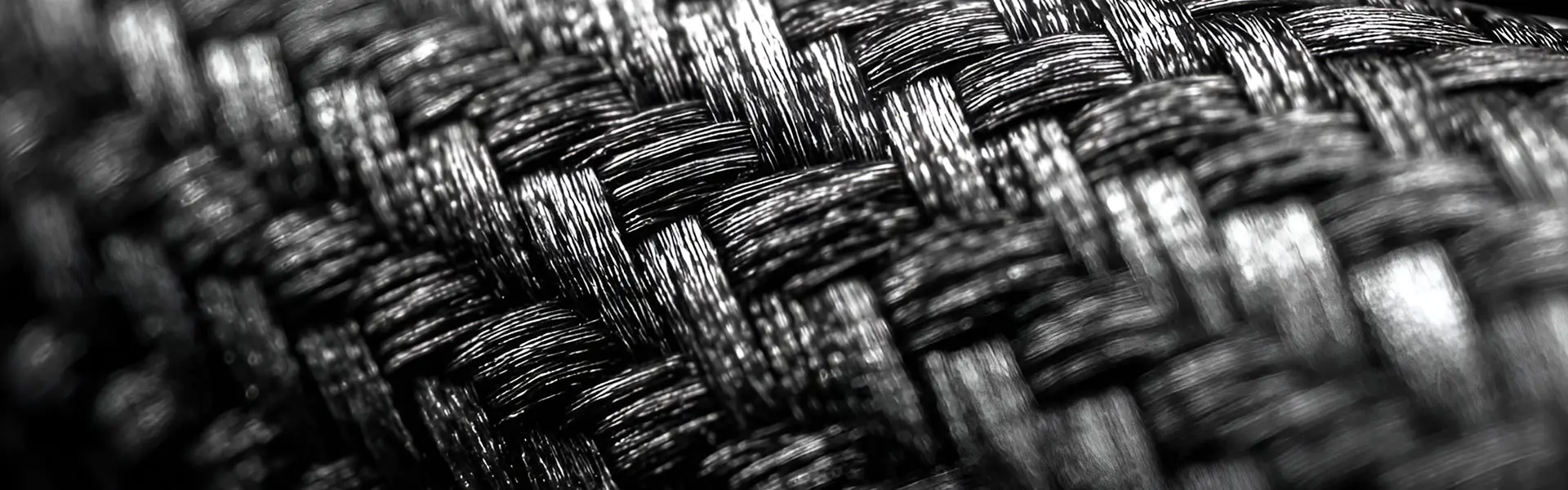
For decades, industrial operations have grappled with the challenges of sealing aggressive fluids under demanding conditions of heat, pressure, and friction. Traditional packing materials often fall short, leading to frequent maintenance, downtime, and potential safety hazards. The evolution of high-performance sealing technology has culminated in a superior solution: Graphite PTFE Packing. This advanced material combines the unparalleled chemical inertness and low friction of Polytetrafluoroethylene (PTFE) with the exceptional thermal conductivity and self-lubricating properties of high-purity graphite. The result is a robust, versatile, and long-lasting sealing product designed for the most severe service applications. At Kaxite, we have refined the manufacturing process of our Graphite PTFE Packing to deliver unmatched reliability, setting a new benchmark for performance in fluid containment systems worldwide.
Kaxite's Graphite PTFE Packing is engineered to solve complex sealing problems. Its composite structure offers a synergistic blend of benefits that standalone materials cannot achieve.
The performance of Kaxite Graphite PTFE Packing is defined by precise engineering and rigorous quality control. Below are the detailed specifications that inform proper selection and application.
| Parameter | Value / Range | Test Standard | Notes |
|---|---|---|---|
| Temperature Range (Continuous) | -450°F to +550°F (-268°C to +288°C) | ASTM E831 | Up to +750°F (+399°C) in non-oxidizing service. |
| Maximum Surface Speed | 25 ft/sec (7.6 m/sec) | ANSI/API 682 | Suitable for high-speed centrifugal pumps. |
| Pressure Rating | Up to 2500 psi (172 bar) | ANSI/B16.34 | Varies with size, number of rings, and media. |
| Thermal Conductivity | 4.5 - 6.5 W/m·K | ASTM D5470 | Enhanced heat dissipation reduces thermal stress. |
| Coefficient of Friction | 0.05 - 0.10 (Dynamic) | ASTM D1894 | Extremely low, reduces power consumption. |
| Compression Recovery | > 85% | ASTM F36 | Excellent resilience maintains seal load. |
| Chemical Compatibility | Excellent with virtually all industrial chemicals | N/A | Resistant to acids, alkalis, solvents, and gases. Not recommended for molten alkali metals and fluorine at high T. |
| Square Section Size (inch) | Square Section Size (mm) | Recommended Shaft Diameter Range (inch) | Spool Packing Length (ft) |
|---|---|---|---|
| 1/4" | 6 mm | 1" - 2" | 50 ft / 100 ft |
| 3/8" | 10 mm | 2" - 3.5" | 50 ft / 100 ft |
| 1/2" | 13 mm | 3.5" - 5" | 25 ft / 50 ft |
| 5/8" | 16 mm | 5" - 7" | 25 ft |
| 3/4" | 19 mm | 7" and above | 25 ft |
*Custom sizes and die-formed ring kits are available upon request from Kaxite.
Q: What is the primary difference between your graphite PTFE packing and standard PTFE filament packing?
A: Standard PTFE filament packing relies on the properties of PTFE alone, which can exhibit cold flow and has limited thermal conductivity. Kaxite's graphite PTFE packing incorporates a uniform dispersion of expanded graphite within the PTFE matrix. This graphite dramatically improves heat dissipation, reduces friction, and adds structural integrity to resist deformation under load, resulting in a much more stable, durable, and higher-performing seal, especially in high-temperature or high-speed applications.
Q: For which specific applications is Kaxite Graphite PTFE Packing most recommended?
A: It is the ideal choice for sealing aggressive and corrosive media across a broad temperature spectrum. Common applications include: sealing sulfuric, hydrochloric, and nitric acid pumps; handling hot oils and hydrocarbon services in refineries; serving as valve stem packing in chemical plants; sealing agitators in pharmaceutical reactors; and use in food processing equipment where cleanliness and non-toxicity are required. It is particularly valuable where traditional packing like aramid or flax fails due to chemical attack or excessive heat.
Q: How do I select the correct size and quantity for my pump stuffing box?
A: The correct size is determined by the stuffing box bore and the shaft diameter. The cross-sectional size of the packing (e.g., 1/4", 3/8") must match the gland space. The number of rings required is typically calculated by the formula: Number of Rings = (Stuffing Box Length) / (Packing Cross-Section x 1.1). For a standard ANSI pump, this is usually 5-6 rings. Kaxite provides detailed sizing guides and our technical support team can assist with specific calculations for your equipment.
Q: Does Kaxite Graphite PTFE Packing require a break-in or run-in procedure?
A: Yes, a proper run-in procedure is crucial for optimal performance and longevity. After installation, hand-tighten the gland nuts evenly. Start the equipment and allow it to run for 10-15 minutes. Then, gradually tighten the gland in small increments (typically 1/6th of a turn per bolt) every 10-20 minutes until leakage is reduced to a slight drip or film for cooling and lubrication. Avoid over-tightening, as the low-friction design does not require excessive compression. The graphite content helps in a quicker, smoother run-in compared to other packings.
Q: What is the expected service life, and what factors influence it most?
A: Service life can vary from several months to multiple years. The key factors are: Application Conditions: Extreme temperatures, pressure spikes, and highly abrasive media will reduce life. Shaft/Bore Condition: A hardened, smooth shaft with minimal runout significantly extends packing life. Installation: Correct sizing, proper ring staggering, and careful run-in are critical. Maintenance: Periodic, minimal gland adjustment to compensate for normal wear. In typical chemical service with good conditions, users can expect 12-24 months of reliable operation.
Q: Can this packing be used in sterile or ultra-pure water applications?
A: Absolutely. Kaxite Graphite PTFE Packing is manufactured from high-purity materials and is inherently non-toxic and chemically inert. It does not leach contaminants, making it suitable for purified water, water-for-injection (WFI), and pharmaceutical applications. The black color comes from the graphite, which is also a pure form of carbon and non-contaminating. For critical sanitary applications, we can provide material certification upon request.
Q: Is it compatible with strong oxidizing agents like concentrated nitric acid or hydrogen peroxide?
A: PTFE itself has excellent resistance to oxidizers. However, at elevated temperatures (approaching the upper continuous limit of 550°F/288°C), the graphite filler can potentially be susceptible to oxidation in very strong oxidizing environments. For service with hot, concentrated oxidizing acids or peroxides, we recommend consulting Kaxite's technical department for a specific review. In many cases, a specially formulated high-purity PTFE packing without graphite may be suggested for such extreme oxidizing conditions.
Q: How does the presence of graphite improve thermal management compared to other fillers like carbon or bronze?
A: Graphite has a unique layered crystalline structure that provides superior thermal conductivity in the plane of the layers. When dispersed in PTFE, it creates efficient pathways for heat to travel away from the friction point at the shaft interface. While carbon and bronze also improve conductivity, graphite often offers a better balance of conductivity, self-lubricity (lower friction), and chemical resistance. It also acts as a solid lubricant, reducing the heat generated in the first place, which is a dual benefit other fillers may not provide as effectively.
Q: My equipment has a history of shaft scoring with other packings. Will this be an issue?
A: Kaxite Graphite PTFE Packing is specifically designed to be shaft-friendly. The combination of soft PTFE and lubricating graphite creates a very low-friction interface that is much less likely to score or wear a shaft compared to harder, abrasive packings like those containing glass or metal fibers. However, for optimal results and to protect existing equipment, it is always recommended to inspect and repair or replace any shaft that already has significant scoring, pitting, or corrosion before installing new packing.


