
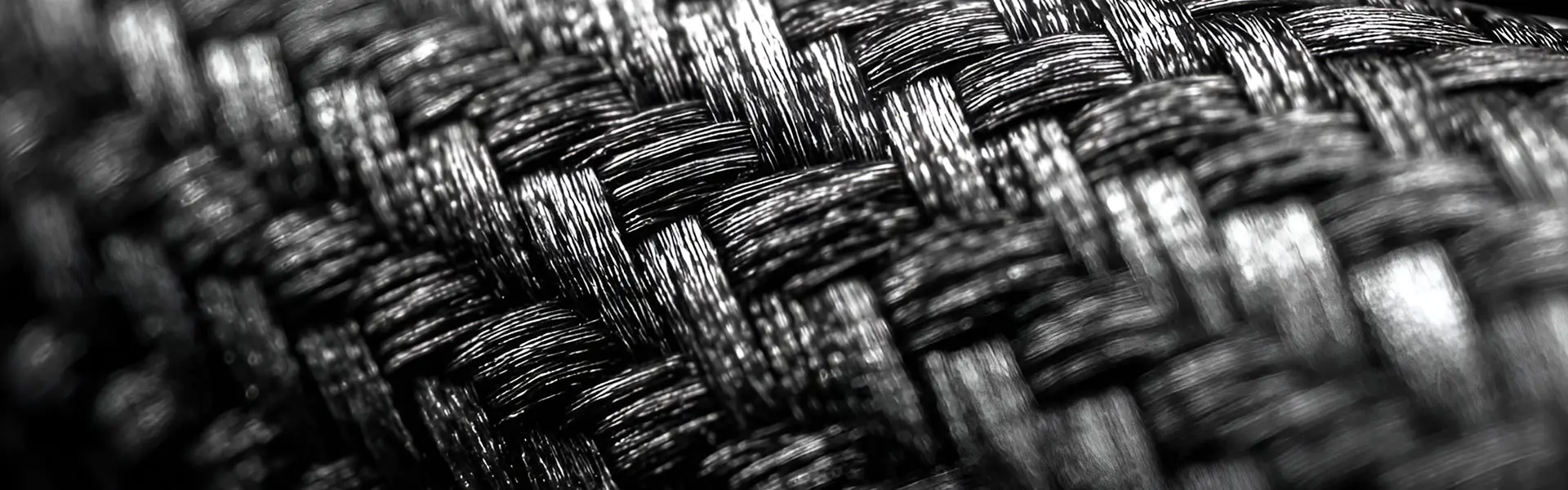
In demanding industrial sealing applications, the choice of packing material is critical for safety, efficiency, and longevity. Carbon fiber packing has emerged as a superior solution, offering exceptional performance where traditional materials like aramid, PTFE, or graphite fall short. At Kaxite, we specialize in engineering high-performance sealing solutions, and our advanced carbon fiber packing is designed to withstand the most extreme conditions. This material is not merely an alternative; it represents a significant technological leap in sealing technology, providing unmatched reliability for rotating and reciprocating equipment across various industries.
Kaxite's carbon fiber packing is manufactured using premium, high-modulus carbon fibers combined with specialized lubricants and reinforcing agents. Our proprietary process ensures a uniform, braided structure that delivers consistent sealing force, minimal shaft wear, and exceptional thermal conductivity. Unlike generic offerings, Kaxite packing is engineered for specific application ranges, considering factors like media type, pressure, shaft speed, and temperature. This results in a product that reduces downtime, extends mean time between maintenance (MTBM), and lowers the total cost of ownership by providing a robust, long-lasting seal.
Understanding the technical specifications is key to selecting the correct packing. Below are the core parameters that define Kaxite Carbon Fiber Packing's performance envelope.
| Parameter | Specification Range | Notes / Standard |
|---|---|---|
| Temperature Range | -100°F to +600°F (-73°C to +316°C) | In non-oxidizing atmospheres; specific grades exceed this. |
| Maximum Pressure (PSI / Bar) | Up to 2,500 PSI (172 Bar) | Dependent on shaft speed and size. |
| Maximum Shaft Speed (FPM / m/s) | 3,500 FPM (17.8 m/s) | Excellent for high-speed pump applications. |
| pH Range (Chemical Compatibility) | 0 - 14 | Highly resistant to most acids, alkalis, solvents, and hydrocarbons. |
| Thermal Conductivity | High | Superior heat dissipation reduces heat buildup at the shaft. |
| Coefficient of Friction | Very Low | PTFE/graphite impregnation ensures smooth operation. |
| Specific Gravity | 1.6 - 1.8 | Indicates material density and packing weight. |
Kaxite carbon fiber packing is versatile and is specified by engineers for its reliability in critical services. Its primary applications include:
Proper installation is crucial to achieve the full potential of carbon fiber packing. Follow these general steps for best results:
What are the primary advantages of carbon fiber packing over traditional graphite or aramid packing?
Carbon fiber packing offers several distinct advantages. It possesses a unique combination of high tensile strength, excellent chemical resistance across virtually the entire pH scale, and superior thermal conductivity. This means it dissipates heat away from the shaft much more effectively than aramid, reducing the risk of shaft damage and packing burnout. Compared to pure graphite, it has greater structural integrity and is less prone to extrusion under high pressure or in applications with significant shaft runout. Its inherent lubricity, enhanced by PTFE or graphite impregnation, results in lower friction and longer service life.
Is Kaxite carbon fiber packing suitable for potable water or food-grade applications?
Standard grades of Kaxite carbon fiber packing use PTFE and graphite lubricants which may not be certified for direct contact with potable water or food products. However, Kaxite offers specialized, FDA-compliant formulations for such applications. It is critical to specify the exact service media and compliance requirements when ordering to ensure you receive the appropriate, certified material for food, beverage, or pharmaceutical processing.
How does temperature affect the performance of carbon fiber packing?
Carbon fiber itself has exceptional high-temperature stability in non-oxidizing environments. The limiting factor is typically the lubricant impregnation. Our standard PTFE/graphite-impregnated packing performs reliably from cryogenic temperatures up to about 600°F (316°C). For higher temperature services in oxidizing atmospheres, Kaxite manufactures grades with special high-temperature lubricants and reinforcing wires (like Inconel) that can extend the operational range. Always consult the specific product data sheet for the temperature limits of the grade you select.
Can carbon fiber packing be used on stainless steel shafts without causing galvanic corrosion?
Carbon fiber is electrically conductive. When used in contact with a dissimilar metal like stainless steel in the presence of an electrolyte (e.g., water, chemicals), it can create a galvanic cell, potentially accelerating corrosion of the shaft. For applications with stainless steel shafts in conductive media, Kaxite recommends using a shaft sleeve made of a compatible material (like a hardened alloy) or selecting one of our carbon fiber packing grades specifically formulated with corrosion-inhibiting additives to mitigate this risk. Proper equipment grounding and material selection consultation are advised.
What is the expected service life of Kaxite carbon fiber packing, and what factors influence it most?
Service life is highly application-dependent. Under ideal conditions with proper installation, maintenance, and within design parameters, Kaxite carbon fiber packing can last for many months or even years of continuous operation. The key factors that most significantly impact lifespan are: 1) Shaft Surface Finish: A smooth, hardened surface (e.g., 8-16 micro-inch Ra) is ideal. 2) Alignment & Runout: Poor pump alignment or excessive shaft runout causes uneven wear and premature failure. 3) Operating Conditions: Consistently operating at the extreme upper limits of temperature, pressure, or speed will reduce life. 4) Maintenance Practices: Over-tightening the gland is a common cause of premature packing and shaft wear. Following the recommended run-in procedure is essential.
How do I select the correct size and style (square vs. round) of packing for my equipment?
The size is determined by the stuffing box bore and the shaft diameter. The cross-sectional size of the packing is typically calculated as (Bore Diameter - Shaft Diameter) / 2. Always refer to the original equipment manufacturer (OEM) specifications if available. Regarding style, square braided packing is the most common and is suitable for the vast majority of centrifugal pumps and valves. Round braided packing is often used in applications where it fits into a specific groove or where a softer, more conformable initial seal is needed. The Kaxite technical support team can assist with selection based on your equipment drawings or specifications.


