
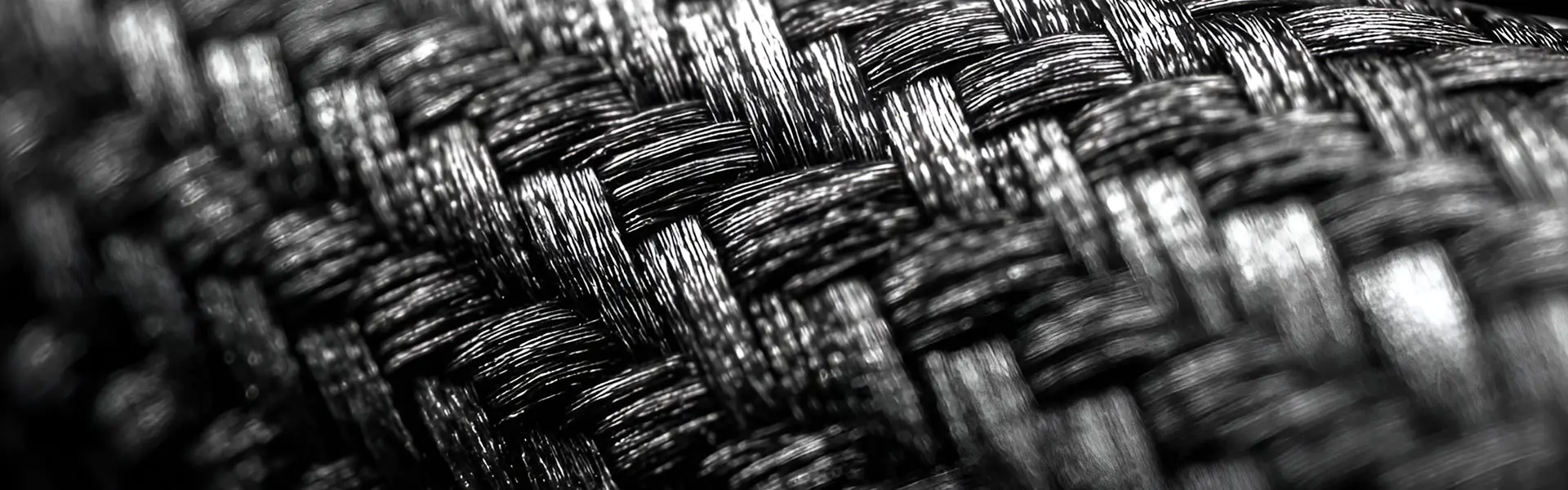
Aramid fiber packing is a premium sealing solution engineered from synthetic aromatic polyamide fibers. These fibers are renowned for their exceptional strength, thermal stability, and chemical resistance, making them superior to traditional materials like asbestos or PTFE in demanding applications. Kaxite's aramid fiber packing is manufactured through a specialized process that braids or weave the high-tenacity fibers, often impregnated with lubricants like PTFE or graphite, to create a robust, pliable sealing element. It functions as a dynamic or static seal in pumps, valves, agitators, and other rotary or reciprocating equipment, preventing leakage of fluids and gases under high pressures and temperatures.
Kaxite offers aramid fiber packing in various styles and constructions to meet specific application needs. Below are the detailed technical parameters.
| Parameter | Description / Specification |
|---|---|
| Base Fiber | High-purity, continuous filament meta-Aramid or para-Aramid fiber. |
| Impregnation | PTFE dispersion, high-purity graphite, or specialty lubricants. |
| Construction | Braided (Square, Round, Twisted), Die-Molded Rings. Braid patterns include interlocked, braid-over-braid, and jacket-over-core. |
| Color | Typically gold/yellow (para-aramid) or off-white (meta-aramid). |
| Density | Range: 0.90 - 1.20 g/cm³ (varies with impregnation and braid style). |
| pH Range | Generally stable between pH 4 and pH 14, depending on specific grade. |
| Performance Characteristic | Typical Range / Value | Test Standard / Notes |
|---|---|---|
| Temperature Range (Continuous) | -100°F to +500°F (-73°C to +260°C) | Short-term peaks up to 600°F (316°C) possible. |
| Max. Shaft Speed | Up to 25 m/s (5000 fpm) | For lubricated grades; dependent on installation. |
| Pressure Rating | Up to 2500 psi (172 bar) for rotary Up to 5000 psi (345 bar) for static/valve |
System dependent. |
| Tensile Strength | > 300,000 psi (2068 MPa) (fiber itself) | ASTM D7269 |
| Thermal Conductivity | ~0.04 W/m·K | Excellent insulation property. |
| Chemical Resistance | Excellent to: Hot oils, fuels, steam, solvents, alkalis, hydraulic fluids. Good to Fair: Strong mineral acids, some oxidizing agents. | Consult Kaxite chemical compatibility chart. |
Kaxite aramid packing is specified across industries for its reliability in severe service conditions.
Q: Is aramid fiber packing the same as Kevlar® packing?
A: Essentially, yes. Kevlar® is a well-known brand name for para-aramid fiber developed by DuPont. Kaxite uses high-quality para-aramid and meta-aramid fibers that share the same fundamental chemical structure and exceptional properties. We refer to the material category as "aramid fiber" to be precise, but it is commonly called Kevlar® packing in the industry.
Q: How does aramid packing compare to graphite foil or PTFE packing?
A: Each has its strengths. Aramid offers far superior mechanical strength and resistance to extrusion compared to soft graphite foil. Compared to pure PTFE, aramid has much higher temperature resistance and strength, though PTFE may have slightly broader chemical resistance. Kaxite often combines them, using aramid for structure and PTFE for lubrication, creating a superior hybrid.
Q: Can Kaxite aramid packing be used for food and pharmaceutical applications?
A: Standard grades are not certified for direct food or pharmaceutical contact. However, Kaxite can provide specialized grades manufactured with FDA-compliant lubricants and under controlled conditions for such applications. Please contact our technical team for specific requirements.
Q: What is the main cause of premature failure in aramid packing?
A: The most common cause is improper installation, especially over-tightening. This creates excessive friction, leading to heat build-up that can carbonize the lubricant and eventually damage the aramid fibers. Other causes include using the wrong size, misalignment of equipment, or chemical incompatibility beyond the packing's rated limits.
Q: How many packing rings should I install in my pump or valve box?
A: The number depends on the box depth and shaft diameter. A general rule is to install a number of rings so that the total packed height is 1.5 times the shaft/stem diameter. For example, a 2-inch shaft would require a packed height of about 3 inches. Always refer to the equipment manufacturer's guidelines or consult Kaxite's engineering support.
Q: Does aramid packing require a break-in period?
A: Yes, a proper break-in (run-in) period is crucial. Start the equipment with the gland nuts finger-tight. Allow it to run for 5-10 minutes, then tighten the gland gradually in small increments (e.g., 1/6 of a turn) at 10-15 minute intervals until the desired leakage control (a few drops per minute) is achieved. This allows the packing to thermally expand and seat properly.
Q: Can I use aramid packing on mixers or agitators with significant runout or shaft movement?
A: Yes, aramid's high strength and flexibility make it an excellent choice for equipment with minor to moderate shaft deflection or runout. Its durability helps it withstand the mechanical movement better than many softer packing materials. However, significant equipment misalignment should always be corrected for optimal seal life and performance.


