
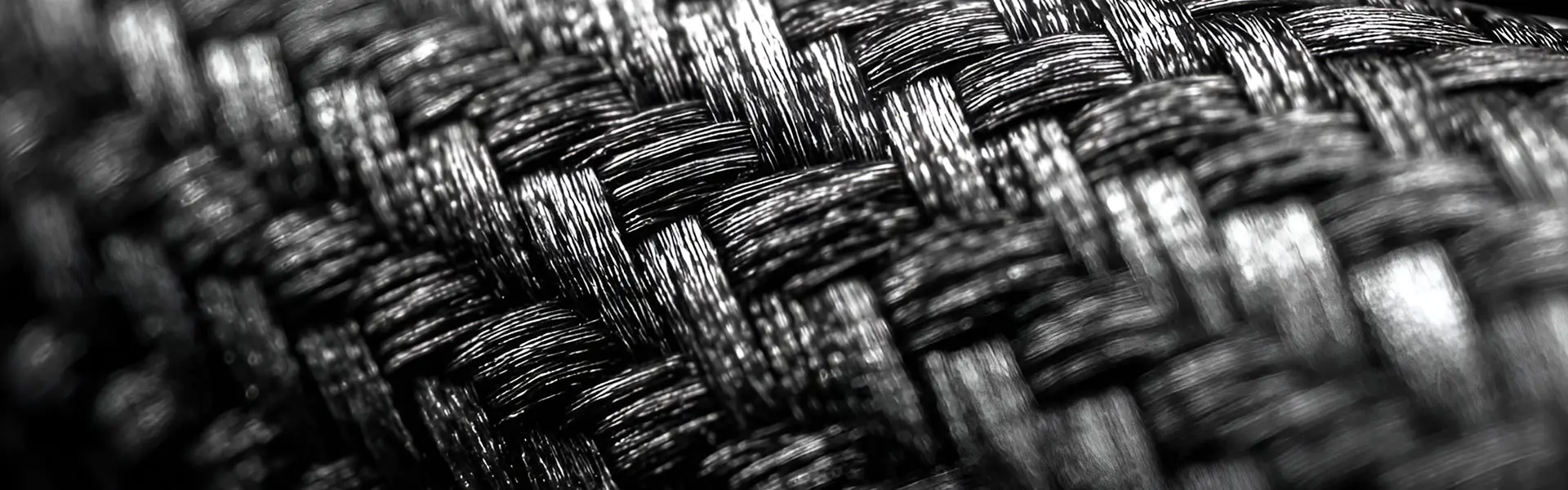
For industries demanding reliable, high-temperature sealing solutions, Mineral Fiber Packing stands as a cornerstone material. Engineered for extreme conditions, this specialized packing offers a blend of durability, thermal resistance, and chemical stability that is critical for safe and efficient operations. At Kaxite, we have refined the formulation and manufacturing of mineral fiber packing over decades, producing a product line that meets the rigorous standards of modern industrial applications. This guide provides a detailed technical overview, product specifications, and practical insights into selecting and using mineral fiber packing effectively.
Mineral fiber packing is a non-asbestos sealing material composed of high-purity inorganic fibers, typically from basalt or similar volcanic rock, bound with heat-resistant elastomers and lubricants. It is designed to create a tight, resilient seal in pumps, valves, flanges, and other equipment handling hot gases, molten metals, acids, alkalis, and other aggressive media. Its primary function is to prevent leaks, reduce emissions, and extend equipment life in environments where organic or synthetic fibers would rapidly degrade.
Our product range is categorized to serve specific pressure, temperature, and media requirements. Below are the detailed specifications for our flagship series.
| Property | Test Method | Typical Value | Unit |
|---|---|---|---|
| Density | ASTM D3800 | 1.8 - 2.2 | g/cm³ |
| pH Value | ASTM E70 | 7.0 - 8.5 | - |
| Tensile Strength | ASTM D3759 | > 15 | N/mm² |
| Compression Recovery | ASTM F36 | > 85 | % |
| Thermal Conductivity @ 500°C | ASTM C518 | 0.08 - 0.12 | W/m·K |
| Continuous Service Temperature | - | Up to 760 | °C |
| Maximum Particle Size | Internal QC | < 0.5 | mm |
| Series Code | Primary Composition | Max Temp (°C) | Recommended Media | Pressure Range (Bar) | Standard Size (mm) |
|---|---|---|---|---|---|
| KX-MF-100 | Basalt Fiber, Graphite Lubricant | 650 | Hot Water, Steam, Mild Acids | Up to 60 | 3x3, 6x6, 10x10, 12x12 |
| KX-MF-200 | Basalt Fiber, PTFE Impregnation | 550 | Strong Acids, Alkalis, Solvents | Up to 100 | 3x3, 5x5, 8x8, 13x13 |
| KX-MF-300 | High-Purity Silica Fiber, Inorganic Binder | 1100 | Molten Metals, High-Temp Furnace Gases | Up to 25 | 6x6, 10x10, 15x15, 20x20 |
| KX-MF-400 | Mineral Fiber, High-Temp Grease | 760 | Hot Oils, Hydrocarbons, Exhaust Systems | Up to 80 | 4x4, 8x8, 12x12, 16x16 |
Q: What are the primary applications for mineral fiber packing?
A: Mineral fiber packing is extensively used in industries such as chemical processing, petrochemical, power generation, steel & metal casting, and incineration. Specific applications include sealing valve stems on high-temperature reactors, pump shafts handling corrosive brines, expansion joints in ducting, flanges on boiler systems, and as a gasket material for oven and furnace doors.
Q: How does Kaxite mineral fiber packing compare to traditional asbestos packing?
A: Kaxite mineral fiber packing is a superior, safe, and fully regulatory-compliant alternative to asbestos. It matches or exceeds the thermal and chemical resistance of asbestos but without the associated health risks. Our packing is made from naturally occurring, non-carcinogenic basalt and silica fibers, offering improved consistency, longer service life, and easier handling.
Q: What is the proper installation procedure for this type of packing?
A: Correct installation is crucial. First, clean the stuffing box thoroughly. Measure the box ID and shaft OD to calculate the correct packing cross-section. Cut rings on a clean surface at a precise 90-degree angle using a sharp blade. Stagger the ring joints by 90 degrees during installation. Use a mandrel to seat each ring firmly without excessive hammering. Tighten the gland follower evenly, allowing the packing to compress. After initial run-in, re-tighten the gland slightly as the packing beds in, but avoid over-tightening, which can cause shaft wear and heat buildup.
Q: Can mineral fiber packing be used with aggressive chemicals like hydrofluoric acid or strong caustics?
A: For standard mineral fiber compositions, prolonged exposure to hydrofluoric acid (HF) is not recommended as it can etch silica-based fibers. For strong caustics (e.g., concentrated NaOH), our KX-MF-200 series with PTFE impregnation provides excellent resistance. Always consult the Kaxite chemical resistance chart and provide our engineering team with the exact media concentration, temperature, and pressure for a definitive recommendation.
Q: How do I select the right size and grade of packing for my application?
A: Selection is based on four key parameters: 1) Equipment Type: Identify if it's a pump, valve, agitator, etc. 2) Operating Conditions: Provide exact temperature, pressure (both static and dynamic), and shaft speed (RPM). 3) Media: Specify the full chemical composition. 4) Equipment Dimensions: Provide stuffing box depth, shaft or stem diameter. Our technical support team uses this data to recommend the optimal Kaxite series and cross-sectional size.
Q: What maintenance schedule is recommended for mineral fiber packing?
A: Mineral fiber packing is designed for long service intervals. A general guideline is to check gland adjustment and look for minor leakage (a few drops per minute is often acceptable for cooling/lubrication) during routine monthly maintenance. Comprehensive inspection and potential repacking should be scheduled during annual plant shutdowns. The actual lifespan depends entirely on the operating conditions; severe services may require more frequent checks.
Q: Does Kaxite offer custom formulations or sizes?
A: Yes. While our standard series cover over 90% of industrial needs, Kaxite specializes in developing custom-engineered packing solutions. We can alter fiber blends, lubricant types and percentages, braid patterns, and density to meet unique temperature, pressure, pH, or emission requirements. Custom die sizes are also available for non-standard stuffing boxes.
Q: Is a break-in or run-in period required after installing new packing?
A: Absolutely. A proper run-in period is essential for the packing to seat correctly and achieve optimal performance. After initial installation and gentle tightening, start the equipment and allow it to run for 15-30 minutes. Then, slightly tighten the gland nuts until a minimal leakage is observed. Continue this process in short cycles over several hours. The goal is to allow the packing to form to the shaft and generate a polished wear surface without generating excessive friction heat.


