
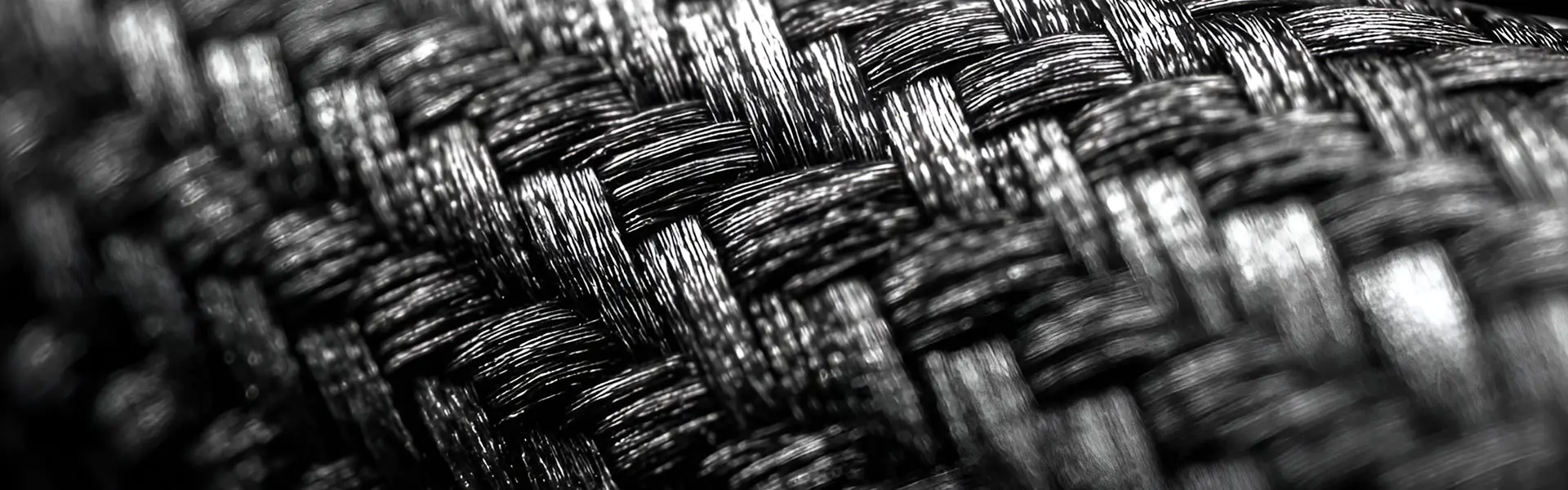
In the demanding world of industrial fluid handling and rotary equipment, finding a reliable sealing solution is paramount for operational efficiency, safety, and cost management. Synthetic fiber packing stands out as a versatile and high-performance choice for a wide range of applications. Engineered from advanced man-made materials, this type of compression packing offers superior resistance to extreme temperatures, aggressive chemicals, and high shaft speeds compared to traditional natural fiber packings. At Kaxite, we specialize in manufacturing premium-grade synthetic packing that meets the rigorous demands of modern industry, ensuring extended service life and reduced maintenance downtime for your critical equipment.
Synthetic packing materials are designed to excel where other seals fail. Their primary benefits include:
Understanding the specifications of synthetic fiber packing is crucial for proper selection. Below are the critical parameters that define its performance.
| Fiber Base Material | Max. Temperature | pH Range | Key Characteristics | Typical Applications |
|---|---|---|---|---|
| Aramid (e.g., Kevlar®) | Up to 500°F (260°C) | 2 - 13 | High tensile strength, excellent abrasion resistance, good chemical resistance. | Pump packing for slurries, hot water, mild chemicals. |
| PTFE (Polytetrafluoroethylene) | Up to 550°F (288°C) | 0 - 14 | Outstanding chemical inertness, very low friction, FDA compliant options available. | Chemical pumps, valves, food & pharmaceutical processing. |
| Carbon Fiber | Up to 1200°F (650°C) in inert atmosphere | 0 - 14 | Excellent thermal conductivity, high temperature stability, self-lubricating. | High-temperature pumps, boilers, autoclaves, agitators. |
| Graphite Filament | Up to 1200°F (650°C) in oxidizing, 5400°F (3000°C) inert | 0 - 14 (excluding strong oxidizers) | Superior thermal stability, excellent conductivity, flexible and resilient. | Severe service valves, high-temperature heat exchangers, expansion joints. |
| Fiberglass | Up to 1000°F (538°C) | 2 - 12 | Good high-temperature resistance, economical, often coated with PTFE. | Ovens, hot oil pumps, exhaust systems. |
| Parameter | Specification / Range | Description |
|---|---|---|
| Standard Size (Square Cross-Section) | 1/8", 3/16", 1/4", 5/16", 3/8", 1/2", 5/8", 3/4", 1" | Available in coils, spools, or pre-formed rings. Custom sizes available on request. |
| Density | 70 - 110 lbs/ft³ (1.12 - 1.76 g/cm³) | Varies by material; higher density often indicates better sealing capability and longer life. |
| Tensile Strength | Varies by material; e.g., Aramid: >150,000 psi | Indicates the packing's resistance to breaking under tension during installation and operation. |
| Thermal Conductivity | Graphite: High; PTFE: Low | Important for heat dissipation from the shaft to the stuffing box walls. |
| Compression Recovery | >70% for most grades | The ability of the packing to return to its original shape after compression, crucial for maintaining seal. |
| Compliance Standards | FDA, USDA, USP Class VI, EPA, TA-Luft | Kaxite offers specific grades compliant with industry regulations for sensitive applications. |
Proper installation is as critical as material selection. Following best practices ensures optimal performance and longevity.
What is the main difference between synthetic fiber packing and traditional braided packing?
Traditional braided packing often uses natural fibers like cotton or flax, which have limitations in temperature and chemical resistance. Synthetic fiber packing utilizes advanced man-made fibers (aramid, PTFE, carbon, graphite) that offer vastly superior performance in harsh conditions, including extreme temperatures, high pressures, and exposure to corrosive chemicals. They generally provide longer service life and require less maintenance.
How do I select the right synthetic packing material for my application?
Selection is based on the "S.T.A.M.P." method: Size (shaft/box dimensions), Temperature (operating and peak), Application (pump type, valve, agitator), Media (the chemical being sealed), and Pressure (system operating pressure). Consulting the manufacturer's chemical compatibility charts and temperature ratings is essential. Kaxite's technical support team can assist with this analysis.
Can synthetic fiber packing be used on reciprocating (back-and-forth) motion equipment?
Yes, many synthetic packings, especially those made from flexible and resilient materials like braided graphite or PTFE-impregnated aramid, are excellent for reciprocating rods in plunger pumps and hydraulic cylinders. They are designed to withstand dynamic movement without excessive wear or loss of seal integrity.
Is a break-in or run-in period necessary after installing new packing?
Absolutely. A proper run-in period is critical for the long-term performance of any compression packing, including synthetic types. Initially, the gland should be adjusted to allow a slight controlled leakage. This helps lubricate and cool the packing/shaft interface. Over 6-24 hours of operation, the packing will thermally expand and seat itself. The gland can then be gently tightened in small increments until the leakage is reduced to an acceptable minimum drip rate.
How can I tell when my synthetic packing needs to be replaced?
Key indicators include a persistent increase in leakage that cannot be controlled by reasonable gland adjustment, a noticeable increase in power consumption or shaft temperature, visible physical damage to the packing rings (fraying, hardening, cracking), or excessive shaft wear. Proactive replacement during scheduled maintenance is always preferable to a failure.
Does Kaxite offer custom-formulated packing for unique applications?
Yes. At Kaxite, we understand that standard products don't always fit every unique challenge. Our engineering team works with clients to develop custom packing solutions. This can involve specific blends of fibers, proprietary lubricant impregnations, unique braid patterns (square, round, interlocked), or specialized coatings to meet extraordinary requirements for temperature, pressure, or media compatibility.
What are the storage recommendations for synthetic fiber packing?
To maintain optimal performance, store packing in its original packaging in a cool, dry place away from direct sunlight, ozone sources (like electric motors), and extreme temperatures. Avoid storing near chemicals or solvents that could cause vapor absorption. Proper storage prevents premature aging, drying out of lubricants, or contamination of the packing material.
The versatility of modern synthetic materials allows Kaxite packing to be deployed across countless sectors:


