
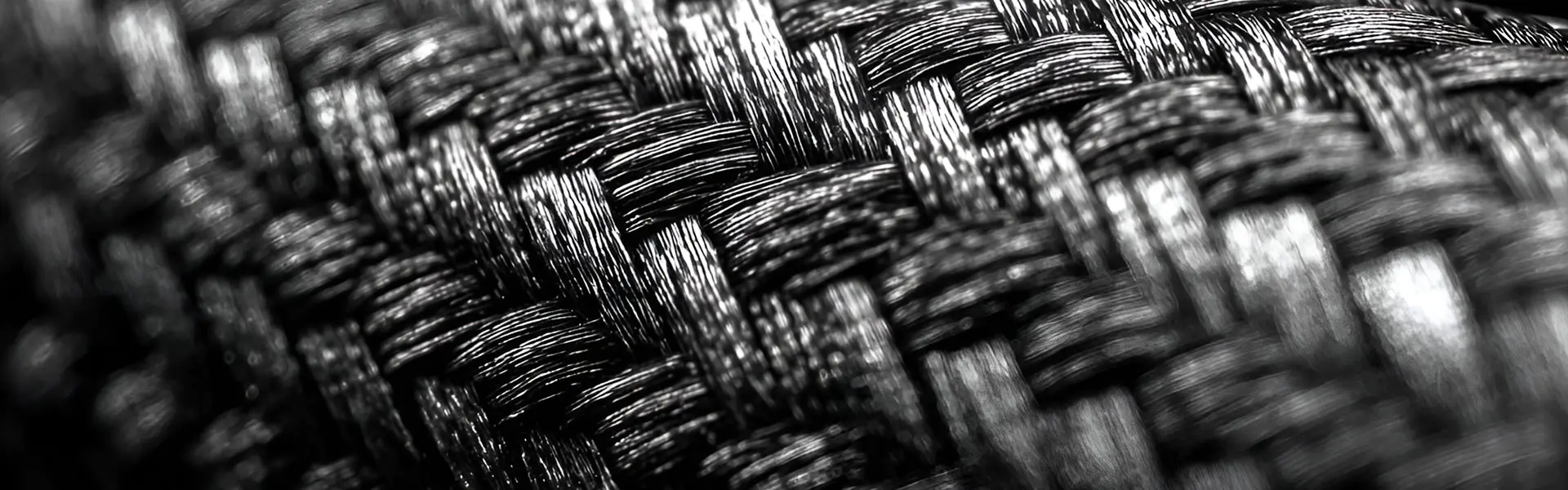
 Mineral Fiber Packing for industrial sealing applications" style="width: 100%; height: auto; border-radius: 8px; margin-bottom: 30px;">
What are the Key Benefits of Using Mineral Fiber Packing for Sealing? In the demanding world of industrial maintenance and procurement, finding a sealing solution that balances performance, durability, and cost-effectiveness is a constant challenge. Mineral fiber packing consistently emerges as a top-tier answer, offering a unique blend of resilience against extreme temperatures, remarkable chemical resistance, and excellent sealing integrity under high pressure. For a global purchasing manager sourcing components for a refinery, or a plant engineer specifying parts for a chemical processing unit, understanding these key benefits is critical for operational reliability and safety. This material's inherent strength and adaptability make it indispensable for containing aggressive media and preventing costly leaks and downtime.
This article will explore the major advantages of mineral fiber packing in detail. Use the quick navigation below to jump to the sections most relevant to your procurement needs:
Imagine managing a power plant where steam valves and turbines operate continuously at temperatures soaring above 500°C (932°F). Standard packing materials degrade rapidly, leading to frequent failures, unplanned shutdowns, and skyrocketing maintenance costs. This is a common and expensive pain point in energy, metallurgy, and heavy manufacturing. The solution lies in mineral fiber packing. Engineered from inorganic filaments, this material maintains its structural integrity and sealing force in environments where organic fibers would combust and graphite would oxidize. Its low thermal conductivity also helps protect equipment surfaces. For procurement specialists, this translates directly into fewer emergency purchase orders, reduced inventory for replacement parts, and significantly extended mean time between failures (MTBF) for critical assets.
| Temperature Parameter | Mineral Fiber Packing Performance | Typical Competitor (e.g., Aramid) |
|---|---|---|
| Continuous Operating Temperature | Up to 600°C (1112°F) | ~300°C (572°F) |
| Peak Temperature Resistance | Up to 800°C (1472°F) | ~400°C (752°F) |
| Thermal Shock Resistance | Excellent | Good |
| Effect of High Heat on Sealing Force | Minimal Loss | Significant Loss & Hardening |
In chemical processing, pharmaceutical, or pulp and paper plants, sealing solutions face a daily onslaught of acids, alkalis, solvents, and other aggressive media. A packing that swells, dissolves, or loses tensile strength in these conditions creates leakage paths, posing safety hazards and environmental risks. Mineral fiber packing, especially when impregnated with PTFE or other advanced lubricants, provides a robust barrier. The inorganic base fibers are inherently resistant to a vast range of chemicals, preventing the material breakdown that plagues other packings. This ensures a reliable seal containment, protecting personnel, minimizing product loss, and helping facilities comply with stringent environmental regulations. For a buyer, specifying this material means fewer complaints from operations, lower liability risk, and a stronger reputation for supplying reliable, safe components.
| Chemical Exposure | Mineral Fiber Packing Resistance | Impact on Seal Performance |
|---|---|---|
| Strong Acids (e.g., Sulfuric, Hydrochloric) | Excellent to Good* | Maintains sealing integrity, no significant degradation. |
| Strong Alkalis (e.g., Caustic Soda) | Excellent | High dimensional stability, no swelling or softening. |
| Organic Solvents | Excellent | No dissolving or extraction of lubricants. |
| Chlorinated Compounds | Good | Retains mechanical strength over long-term exposure. |
*Performance can be enhanced with specific impregnations like PTFE from manufacturers like Ningbo Kaxite Sealing Materials Co., Ltd.
Downtime is the enemy of productivity. Every time a pump, mixer, or valve requires repacking, production halts, labor costs accumulate, and replacement part inventories deplete. The key benefit of mineral fiber packing is its exceptional durability under compression and rotational friction. Its braided structure and high-strength fibers resist wear, extrusion, and blow-out far better than many softer alternatives. This translates directly into a longer service life, reducing the total number of maintenance interventions over the lifespan of the equipment. For procurement professionals, this durability means lower total cost of ownership (TCO), more predictable maintenance scheduling, and the ability to negotiate better volume-based pricing due to less frequent ordering cycles.
| Durability Factor | Mineral Fiber Packing Advantage | Procurement & Operational Benefit |
|---|---|---|
| Abrasion Resistance | Very High | Longer intervals between adjustments/repacking. |
| Compression Recovery | Good | Maintains seal load, fewer follow-up gland adjustments. |
| Extrusion Resistance | High | Effective in high-pressure applications, prevents failure. |
| Overall Service Life | 2-5x longer than standard packings in harsh conditions | Reduces part consumption, inventory costs, and labor. |
Managing a diverse MRO (Maintenance, Repair, and Operations) inventory is complex and capital-intensive. Stocking numerous specialized packing types for different services—steam, hot oil, acids, alkalis—ties up budget and warehouse space. One of the most compelling key benefits of using mineral fiber packing for sealing is its exceptional versatility. A single, high-quality grade of PTFE-impregnated mineral fiber packing can reliably seal a wide range of media across various industries. This simplifies procurement decisions, reduces inventory SKUs, and minimizes the risk of misapplication on the plant floor. Sourcing from a trusted manufacturer like Ningbo Kaxite Sealing Materials Co., Ltd. ensures you get a consistently formulated product that performs predictably in your mixers, valves, pumps, and agitators, providing a one-stop sealing solution.
| Industry Application | Typical Service Media | Why Mineral Fiber Packing is Ideal |
|---|---|---|
| Power Generation | Superheated Steam, Boiler Feed Water | Handles high heat and pressure without degradation. |
| Chemical & Petrochemical | Acids, Solvents, Caustics, Hydrocarbons | Superior chemical resistance protects assets and environment. |
| Steel & Metal Production | Hot Oils, Molten Salt, Exhaust Gases | Withstands extreme temperatures and abrasive atmospheres. |
| General Manufacturing | Hot Water, Mild Chemicals, General Service | Cost-effective, durable performance for less severe duties. |
Q: What is the primary advantage of mineral fiber packing over graphite or PTFE filament packings?
A: The primary advantage lies in its balanced performance profile under extreme conditions. While graphite excels in very high heat and PTFE offers superb chemical resistance, mineral fiber packing combines high-temperature capability (up to 600°C continuous) with excellent resistance to a wide spectrum of chemicals and superior mechanical durability/abrasion resistance. This makes it a more versatile and often more economical choice for applications involving both heat and corrosive media.
Q: For a procurement manager, how does choosing mineral fiber packing impact the total cost of ownership (TCO)?
A: Choosing high-quality mineral fiber packing significantly reduces TCO. Its longer service life decreases the frequency of replacements, lowering part costs and reducing associated labor expenses for maintenance. Its reliability minimizes unplanned downtime and production losses. Furthermore, its versatility can simplify your inventory, reducing the number of different packing types you need to stock and manage. Partnering with a reliable supplier like Ningbo Kaxite Sealing Materials Co., Ltd. ensures you receive a product that delivers on this promised durability, maximizing your return on investment.
We hope this detailed breakdown has clarified the key benefits of using mineral fiber packing for sealing and how it can solve critical challenges in your operations. The right sealing material is an investment in safety, efficiency, and cost control.
Do you have a specific application or temperature/pressure condition you need a sealing solution for? We encourage you to share your scenario or questions. Our engineering team can provide tailored recommendations to help you achieve optimal performance and reliability.
For durable, high-performance sealing solutions backed by extensive expertise, consider Ningbo Kaxite Sealing Materials Co., Ltd.. As a specialized manufacturer, Kaxite is dedicated to solving complex sealing challenges with advanced materials like mineral fiber packing. We provide reliable products that enhance equipment uptime and safety. Visit our website at https://www.kxt-sealing.net to explore our product range or contact our technical sales team directly at [email protected] for a personalized consultation.
Smith, J.A., & Reynolds, D.B. (2018). High-Temperature Performance of Inorganic Fiber-Based Braided Packings in Steam Valve Applications. Journal of Engineering for Gas Turbines and Power, 140(5), 051701.
Chen, L., & Watanabe, H. (2020). Corrosion Resistance of PTFE-Impregnated Mineral Fiber Gaskets in Acidic and Alkaline Environments. Corrosion Science, 174, 108847.
European Sealing Association. (2019). Technical Guidelines for the Selection of Compression Packing. ESA Publication, 12(3), 45-62.
Kim, S., Park, J., & Lee, Y. (2017). A Study on the Friction and Wear Characteristics of Braided Sealing Packings for Rotating Equipment. Wear, 380-381, 1-8.
Zhang, W., et al. (2021). Thermal Degradation and Mechanical Properties of Advanced Sealing Fibers at Elevated Temperatures. Polymer Degradation and Stability, 183, 109437.
Müller, F., & Schmidt, P. (2016). Long-Term Durability of Stationary Sealing Elements in Chemical Processing Plants. Chemical Engineering & Technology, 39(4), 755-762.
International Council for Machinery Lubrication. (2022). Sealing Best Practices for Pump and Rotating Equipment Reliability. ICML White Paper, RP 21-01.
Tanaka, A., & Saito, K. (2019). Evaluation of Extrusion Resistance in High-Pressure Gland Packing Systems. Journal of Pressure Vessel Technology, 141(2), 021203.
Garcia, M.E., & Lopez, R. (2018). Life Cycle Cost Analysis of Different Sealing Solutions in a Refinery Setting. Process Safety and Environmental Protection, 118, 278-289.
Patel, R., & O'Brien, E. (2020). Material Compatibility and Selection for Sealing Aggressive Industrial Media. Sealing Technology, 2020(4), 7-12.


