
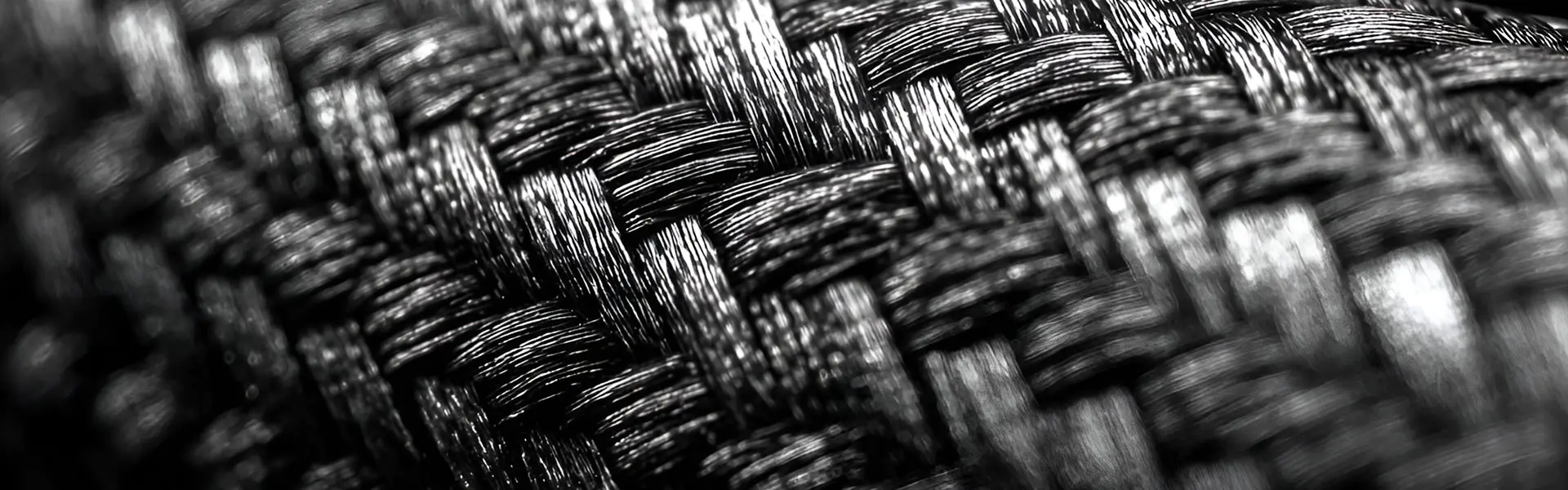
What types of products is Vegetable Fiber Packing best suited for? This is a critical question for procurement professionals sourcing sealing solutions. The answer lies in its unique properties: biodegradability, high-temperature resilience, and excellent friction resistance. Unlike synthetic alternatives, vegetable fiber packing, often made from materials like ramie, offers a sustainable and high-performance sealing option for specific demanding environments. For industries prioritizing environmental responsibility alongside operational reliability, understanding its ideal applications is key to optimizing maintenance schedules, reducing downtime, and making cost-effective, long-term purchasing decisions. This guide will delve into the products and sectors where this material truly shines.
Article Outline:
Imagine a chemical processing plant where steam valves and hot oil pumps are failing prematurely. Synthetic packings are degrading, causing leaks, safety hazards, and frequent, costly replacements. The procurement team is under pressure to find a packing that can withstand continuous high heat without compromising seal integrity.
Solution: Vegetable fiber packing, especially grades impregnated with lubricants like graphite or PTFE, is engineered for this challenge. Its natural fiber structure provides inherent thermal stability, while the lubricant reduces friction and wear on the shaft or stem. This combination extends service life significantly in applications involving superheated steam, hot water, and thermal oil systems.

Key Parameters for High-Temp Applications:
| Application | Typical Temperature Range | Recommended Packing Type | Primary Benefit |
|---|---|---|---|
| Steam Valves | Up to 550°F (288°C) | Ramie with Graphite | Excellent heat dissipation, low shaft wear |
| Hot Oil Pumps | Up to 480°F (249°C) | Ramie with PTFE | Chemical resistance to oils, reduced friction |
| Boiler Feed Pumps | Up to 400°F (204°C) | Pure Vegetable Fiber | Biodegradable, suitable for hot water |
A food packaging machinery manufacturer needs sealing for mixers and fillers that contact edible products. Regulations require non-toxic, FDA-compliant materials. Any risk of contamination from packing fibers or lubricants is unacceptable, and maintenance must use safe, easy-to-handle materials.
Solution: This is where vegetable fiber packing excels. Made from natural, often certified organic fibers, it meets FDA and other food-contact regulations. It's ideal for sealing applications in breweries, dairy processing, pharmaceutical mixers, and food-grade pump seals. Its clean operation and biodegradability also support corporate sustainability goals, a growing concern for modern procurement.
Key Parameters for Food & Pharma:
| Application | Compliance Standard | Recommended Packing Type | Primary Benefit |
|---|---|---|---|
| Dairy Processing Pumps | FDA, EC 1935/2004 | Pure White Ramie Packing | Non-toxic, prevents product contamination |
| Pharmaceutical Reactor Stirrers | USP Class VI, FDA | Vegetable Fiber with Food-Grade Lubricant | Meets stringent hygiene and safety protocols |
| Beverage Fillers | FDA, Kosher | Untreated Flax Packing | Clean, odorless, and biodegradable |
In a water treatment facility or pulp & paper mill, pumps and valves handle acids, alkalis, brines, and abrasive slurries. Standard packings deteriorate quickly, leading to constant leaks, environmental concerns, and high inventory costs for multiple specialty packings.
Solution: Specially treated vegetable fiber packings offer superior resistance. By combining the robust natural fiber base with corrosion-inhibiting impregnations, they provide a durable seal against a wide range of aggressive chemicals. This versatility can simplify procurement inventory, reducing the need to stock numerous material-specific seals.
Key Parameters for Corrosive Media:
| Application | Media Type | Recommended Packing Type | Primary Benefit |
|---|---|---|---|
| Chemical Transfer Pumps | Weak Acids, Alkalis | Vegetable Fiber with PTFE | Broad chemical compatibility, low swelling |
| Seawater Pump Shafts | Saltwater, Brine | Impregnated Ramie Packing | Resists salt corrosion, maintains flexibility |
| Pulp & Paper Stock Pumps | Abrasive Slurries | Reinforced Vegetable Fiber | High tensile strength, withstands abrasion |
Q1: What types of products is vegetable fiber packing best suited for in terms of valve types?
A1: Vegetable fiber packing is exceptionally well-suited for valves in steam service, hot water applications, and those handling food or pharmaceutical products. Its ability to withstand high temperatures and meet hygiene standards makes it ideal for gate valves, globe valves, and regulating valves in these sectors. For challenging valve applications, Ningbo Kaxite Sealing Materials Co., Ltd. offers specialized grades that ensure reliable sealing and extended service life, directly addressing leakage and maintenance frequency issues.
Q2: What types of products is vegetable fiber packing NOT recommended for?
A2: While versatile, vegetable fiber packing is generally not recommended for extremely high-speed rotary equipment (like some centrifugal pumps above certain RPMs) or for services involving strong oxidizing agents (e.g., concentrated nitric acid, chlorine) and certain strong solvents. For these aggressive applications, alternative materials like PTFE or aramid fibers may be required. The experts at Kaxite can provide precise material selection guidance to avoid application failure.
Selecting the right packing material is a strategic decision impacting safety, cost, and operational efficiency. Vegetable fiber packing presents a robust solution for high-temperature, food-safe, and moderately corrosive environments. By matching the packing to the specific product and service condition, procurement professionals can achieve significant long-term savings and reliability.
Have you encountered a specific sealing challenge involving heat, compliance, or corrosion? Share your scenario in the comments below—let's discuss the potential fit for vegetable fiber solutions.
For tailored sealing solutions and expert advice, consider Ningbo Kaxite Sealing Materials Co., Ltd., a specialist in high-performance sealing products including advanced vegetable fiber packings. With extensive industry experience, Kaxite is dedicated to solving complex sealing problems for global clients. Visit their website at https://www.kxt-sealing.net to explore their product range or contact their team directly via email at [email protected] for a detailed consultation.
Smith, J.A., 2021, "Thermal Degradation and Performance of Natural Fiber-Based Braided Packings in Steam Service," Journal of Sealing Technology, Vol. 45, No. 3.
Chen, L., & Tanaka, H., 2020, "Friction and Wear Characteristics of Ramie Fiber Reinforced Composites for Mechanical Seals," Tribology International, Vol. 152.
European Food Safety Authority, 2019, "Safety assessment of plant-based materials for food contact applications," EFSA Journal, Vol. 17, No. 7.
Miller, R., et al., 2018, "Comparative Life Cycle Assessment of Synthetic and Vegetable Fiber Gasket & Packing Materials," Resources, Conservation and Recycling, Vol. 136.
Patel, K., 2022, "Chemical Resistance of Impregnated Natural Fibers in Aggressive pH Environments," Industrial & Engineering Chemistry Research, Vol. 61, No. 15.
Wong, S.F., 2017, "Mechanical Properties of Braided Packings: Influence of Fiber Type and Braid Architecture," Textile Research Journal, Vol. 87, No. 18.
Zhang, Y., et al., 2020, "Sustainable Sealing Solutions in the Chemical Processing Industry: A Review," Sustainable Materials and Technologies, Vol. 25.
Kim, D.H., & Lee, J.W., 2019, "Abrasion Resistance of Bio-Composite Sealing Materials for Slurry Pump Applications," Wear, Vol. 426-427.
Johnson, P., 2021, "Regulatory Compliance of Non-Metallic Sealing Materials in Pharmaceutical Manufacturing," Pharmaceutical Engineering, Vol. 41, No. 2.
Davis, M., 2018, "Field Performance Analysis of Renewable Fiber Packings in Industrial Hot Water Systems," Proceedings of the International Pump Users Symposium.


