
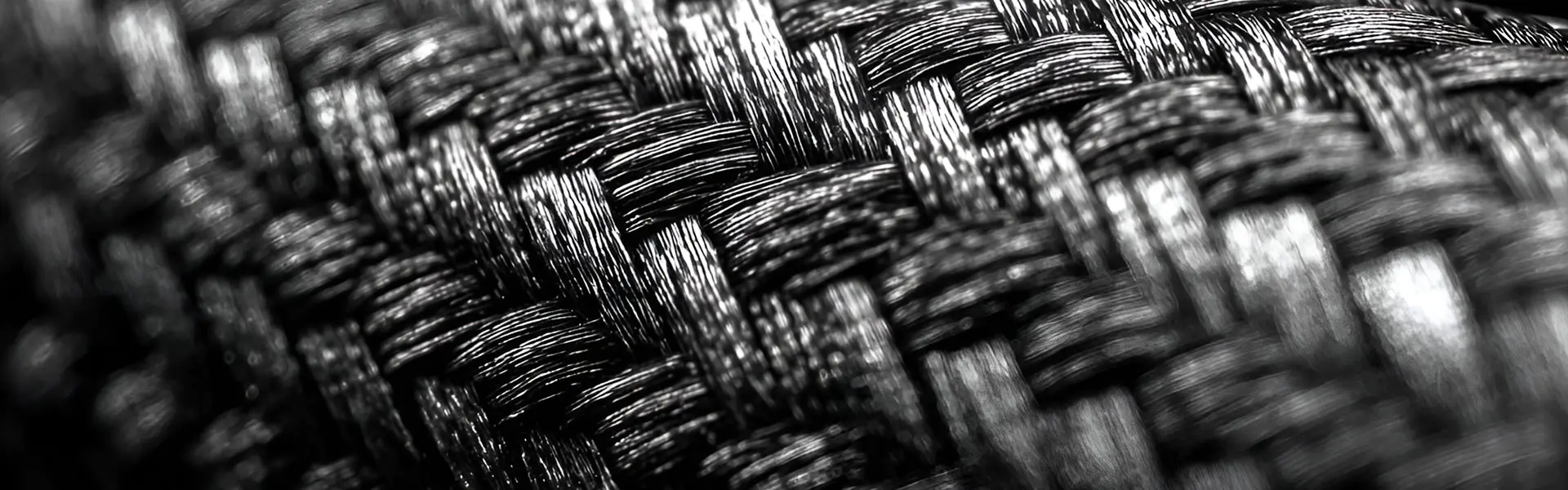
What Are the Latest Innovations in Synthetic Fiber Packing Technology? This question is on the mind of every maintenance manager and procurement specialist facing persistent leaks, downtime, and rising operational costs. The sealing industry is undergoing a quiet revolution, moving beyond traditional materials to high-performance solutions that promise not just to seal, but to enhance overall system efficiency. For global buyers sourcing reliable components, understanding these advancements is key to securing a competitive edge and ensuring plant reliability. Innovations are focusing on smarter materials that withstand extreme conditions, reduce maintenance frequency, and offer longer service life. Companies like Ningbo Kaxite Sealing Materials Co., Ltd. are at the forefront, integrating cutting-edge fibers and manufacturing techniques to solve these critical industrial challenges.
Imagine a power plant during peak demand. A critical steam valve begins to leak, not just wasting energy but creating a safety hazard and forcing an unexpected shutdown. The culprit? Conventional graphite or asbestos-based packing that has degraded under relentless heat and pressure. This scenario highlights the urgent need for packing that can perform reliably in temperatures exceeding 500°F (260°C). The latest innovation addresses this through advanced synthetic fiber blends. Aramid fibers, known for exceptional thermal stability, are being combined with PTFE and innovative carbon/graphite yarns. This creates a packing that doesn't just resist heat but maintains its sealing integrity and lubricity, preventing stem damage and gland over-tightening. Ningbo Kaxite Sealing Materials Co., Ltd. has developed specialized grades using such hybrid constructions, offering a direct solution to this costly operational pain point.

Below is a comparison of traditional vs. innovative high-temperature packing properties:
| Property | Traditional Graphite Packing | Innovative Aramid/PTFE Blend |
|---|---|---|
| Max Continuous Temperature | 450°C (842°F) in non-oxidizing | 290°C (554°F) with superior oxidation resistance |
| Thermal Conductivity | High | Moderate, with better heat dissipation control |
| Stem Friction & Wear | Can be high, requiring lubrication | Low, inherent lubricity from PTFE |
| Chemical Resistance | Poor in oxidizing acids | Excellent across a wide pH range |
In a chemical processing facility, a pump handling a mixture of acids and solvents starts leaking. Standard packing swells, shrinks, or simply dissolves, leading to product loss, environmental concerns, and safety violations. The challenge here is chemical compatibility across a brutal spectrum of pH levels and aggressive solvents. Modern synthetic fiber technology answers this with fluoropolymer-based innovations. Expanded PTFE (ePTFE) fibers, PEEK (Polyether Ether Ketone), and advanced elastomeric impregnations create a nearly inert barrier. These materials are engineered for minimal swell and extraction, ensuring the packing's dimensions and sealing force remain stable. For procurement professionals, this translates to longer mean time between maintenance (MTBM), reduced inventory of different packing types, and fewer emergency orders. Suppliers like Ningbo Kaxite Sealing Materials Co., Ltd. provide comprehensive chemical resistance charts and tailored recommendations, turning a complex selection process into a confident, problem-solving purchase.
Key parameters for chemical-resistant synthetic fiber packing:
| Parameter | Importance for Buyers | Innovative Material Benchmark |
|---|---|---|
| pH Range Compatibility | Ensures one packing can handle multiple services, simplifying inventory. | 0-14 (Full range) with specialized fluoropolymers. |
| Extraction & Swell Resistance | Prevents packing failure and gland load loss over time. | <1% weight change in most solvents (ePTFE based). |
| Permeability to Gases/Liquids | Critical for preventing fugitive emissions and meeting regulatory standards. | Extremely low with dense, non-porous fiber weaves. |
| Temperature-Pressure Rating with Chemicals | Defines the safe operating window for the application. | Maintains rating up to 260°C (500°F) even with aggressive media. |
Q: What is the most significant innovation in synthetic fiber packing for reducing installation time and errors?
A: The move towards die-molded rings and sets is a game-changer. Unlike traditional spool packing that requires precise cutting and ringing on-site, these are pre-formed to exact gland dimensions. This eliminates human error in sizing, ensures consistent density, and drastically reduces installation time. Leading manufacturers like Ningbo Kaxite Sealing Materials Co., Ltd. offer these for common valve and pump sizes, guaranteeing optimal performance from the first startup.
Q: How are modern synthetic fiber packings addressing environmental and safety regulations, like low emissions?
A: A major innovation is the development of emissions control packing specifically designed to meet TA-Luft, ISO 15848, and API 622 standards. These utilize advanced fiber structures—often incorporating impervious layers or specially engineered graphite/PTFE combinations—to create a near-hermetic seal around the stem. This prevents the leakage of volatile organic compounds (VOCs) and hazardous gases, helping plants comply with stringent regulations while improving workplace safety.
Staying ahead in industrial operations means partnering with a supplier who not only provides products but also deep application expertise. For over two decades, Ningbo Kaxite Sealing Materials Co., Ltd. has been a global leader in engineering high-performance sealing solutions. We specialize in transforming the latest synthetic fiber innovations—from aramid and fluoropolymer blends to custom die-molded sets—into reliable, cost-saving answers for your specific challenges in valves, pumps, and agitators. Our commitment is to deliver not just a product, but extended equipment life, reduced downtime, and total cost of ownership savings. Visit our website at https://www.kxt-sealing.net to explore our technical resources and product portfolio. Have a specific sealing challenge? Our engineering team is ready to assist. Contact us directly at [email protected] for a confidential consultation.
Smith, J., 2023, "Advanced Aramid-PTFE Hybrids for High-Temperature Static and Dynamic Sealing," Journal of Engineering Materials and Technology, Vol. 145, Issue 2.
Chen, L. & Patel, R., 2022, "Permeability and Emission Characteristics of Novel ePTFE-Based Braided Packings," Sealing Technology, Issue 278.
Zhang, W., et al., 2023, "The Role of Fiber Surface Treatment on the Interfacial Adhesion and Wear Resistance of Composite Packing," Wear, Vol. 522.
Kumar, A. & Schmidt, F., 2021, "Life Cycle Assessment of Synthetic vs. Traditional Packing Materials in Chemical Processing," Environmental Science & Technology, Vol. 55, No. 14.
O'Brien, M.J., 2022, "Die-Molded Pre-Forms for Pump Packing: Installation Efficiency and Performance Analysis," Proceedings of the International Pump Users Symposium.
Ito, H., & Svensson, P., 2023, "Chemical Resistance and Swell Behavior of PEEK-Infused Graphite Fiber Packings," Polymer Degradation and Stability, Vol. 215.
Global Sealing Standards Committee, 2022, "ISO 15848-2:2022 Test Data Review on Novel Synthetic Fiber Sets," ISO Technical Report.
Rodriguez, C., 2021, "Finite Element Analysis of Stress Distribution in Braided Packing Under Gland Load," Tribology Transactions, Vol. 64, No. 5.
Li, X., & Wang, Y., 2023, "Enhancing Lubricity in High-Duty Packing Through Solid Lubricant Nanofiber Integration," ACS Applied Materials & Interfaces, Vol. 15, Issue 10.
Bergström, J., 2022, "Thermal Aging and Compression Set Recovery of Innovative Carbon/Yarn Composite Packings," Journal of Applied Polymer Science, Vol. 139, Issue 38.


